
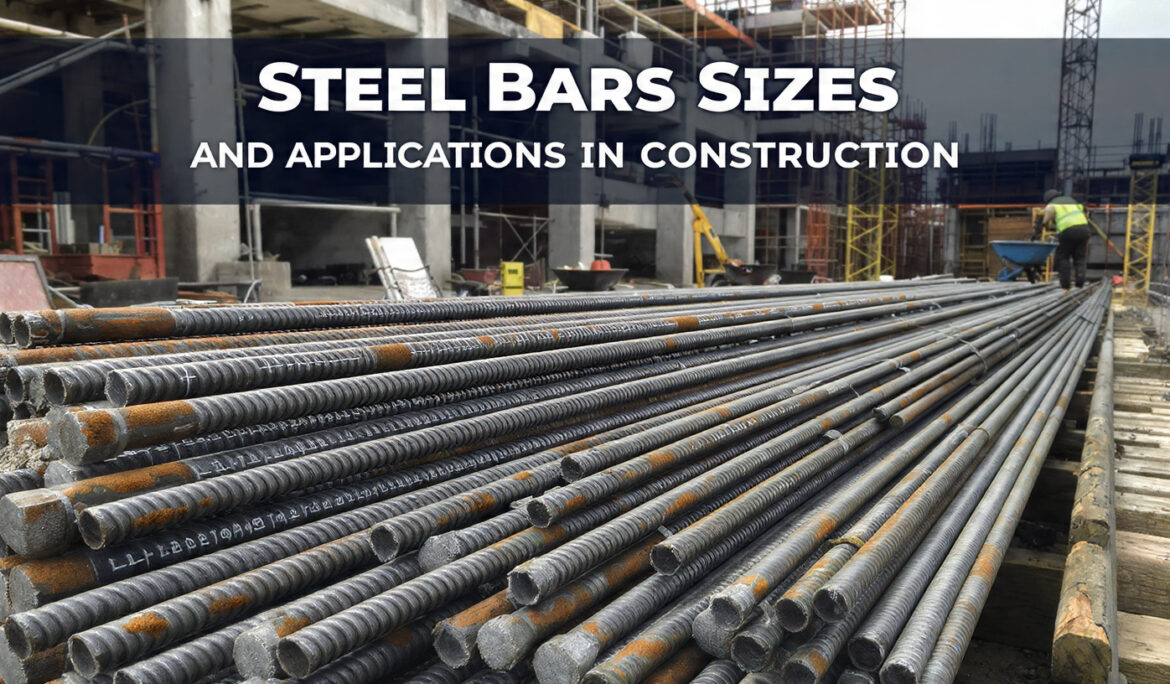
Steel bars are one of the most important materials used in modern construction. They play a crucial role in strengthening concrete structures and ensuring durability in buildings, bridges, roads, and infrastructure projects. Construction companies, engineers, and contractors rely heavily on high-quality steel bars to create strong and long-lasting structures.
In reinforced concrete construction, steel bars provide the tensile strength that concrete alone cannot achieve. This combination of steel and concrete makes structures safer, more durable, and capable of withstanding heavy loads and environmental stress.
In this guide, we will explore steel bars, their sizes, common uses, and how to choose the right steel bars for construction projects.
What Are Steel Bars?
Steel bars, commonly known as reinforcement bars or rebar, are long cylindrical steel rods used to reinforce concrete structures. Concrete is strong under compression but weak when exposed to tension. Steel bars help compensate for this weakness by adding tensile strength to the structure.
When steel bars are embedded inside concrete, they form reinforced concrete, which significantly improves the structural integrity of buildings and infrastructure projects.
Steel bars are widely used in:
- Building foundations
- Concrete slabs
- Columns and beams
- Bridges and highways
- Industrial structures
Because of their high strength and durability, steel bars have become an essential component in both residential and commercial construction projects.
Steel Bar Sizes
Steel bars are available in various sizes depending on the structural requirements of the project. The size of the steel bar determines its strength and load-bearing capacity.
In most construction projects, steel bars are measured by diameter in millimeters.
Common steel bar sizes include:
| Steel Bar Size | Common Uses |
| 8 mm | Small residential construction |
| 10 mm | Slabs and light structures |
| 12 mm | House construction and beams |
| 16 mm | Columns and structural beams |
| 20 mm | Heavy structural components |
| 25 mm | Large infrastructure projects |
| 32 mm | Industrial and heavy construction |
Smaller steel bars are generally used in light construction, while larger diameter bars are required for heavy structural frameworks and infrastructure projects.
Selecting the correct steel bar size is critical to ensure the safety and stability of a structure.
Reinforcement Steel Uses
Reinforcement steel bars are used in a wide variety of construction applications to improve structural strength and stability.
Some common uses include:
- Reinforced Concrete Structures
Steel bars are embedded in concrete to create reinforced concrete structures that can handle both compression and tension forces.
- Structural Support
Steel bars provide additional support in structural elements such as:
- Columns
- Beams
- Slabs
- Foundations
- Infrastructure Development
Large infrastructure projects depend heavily on reinforcement steel, including:
- Bridges
- Highways
- Flyovers
- Dams
- Industrial Construction
Factories, warehouses, and industrial buildings use steel bars to build strong structural frameworks that can withstand heavy machinery loads.
Because of these applications, reinforcement steel is considered one of the most critical materials in the construction industry.
Construction Applications of Steel Bars
Steel bars are used in almost every type of construction project. Their versatility and strength make them suitable for a wide range of structural applications.
Residential Construction
Steel bars are used in residential projects for:
- House foundations
- Roof slabs
- Columns
- Concrete beams
Commercial Buildings
Large commercial structures require strong reinforcement to support multi-story construction.
Steel bars are used in:
- Office buildings
- Shopping malls
- Apartment complexes
Infrastructure Projects
Major infrastructure projects rely heavily on steel reinforcement to ensure safety and durability.
Examples include:
- Bridges
- Highways
- Metro systems
- Airports
Industrial Facilities
Industrial construction projects use steel bars to create durable structures capable of supporting heavy loads and machinery.
Choosing the Right Steel Bars for Construction
Selecting the right steel bars is essential for ensuring structural safety and long-term durability. Builders and engineers consider several factors when choosing steel bars for construction projects.
- Steel Bar Size
The diameter of the steel bar must match the structural requirements of the project. Larger structures require thicker bars to handle greater loads.
- Steel Quality
High-quality steel bars ensure better strength, corrosion resistance, and durability. It is important to purchase steel from reliable suppliers.
- Project Requirements
Different construction projects require different steel specifications. Engineers usually determine the exact steel bar size and grade based on structural calculations.
- Compliance with Standards
Steel bars used in construction should meet industry standards and quality certifications to ensure structural reliability.
Conclusion
Steel bars are a fundamental component of modern construction. They provide the strength and reinforcement required to build durable and safe structures. From residential homes to large infrastructure projects, steel bars play a vital role in ensuring structural stability and long-term performance.
Understanding steel bar sizes and applications helps contractors and builders choose the right materials for their projects. By selecting high-quality reinforcement steel and the correct bar sizes, construction professionals can ensure stronger and more reliable structures.
For construction companies and builders, sourcing steel from a trusted supplier is equally important to maintain quality and consistency in every project.