Introduction
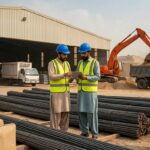
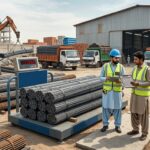
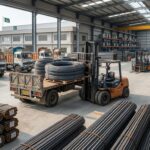
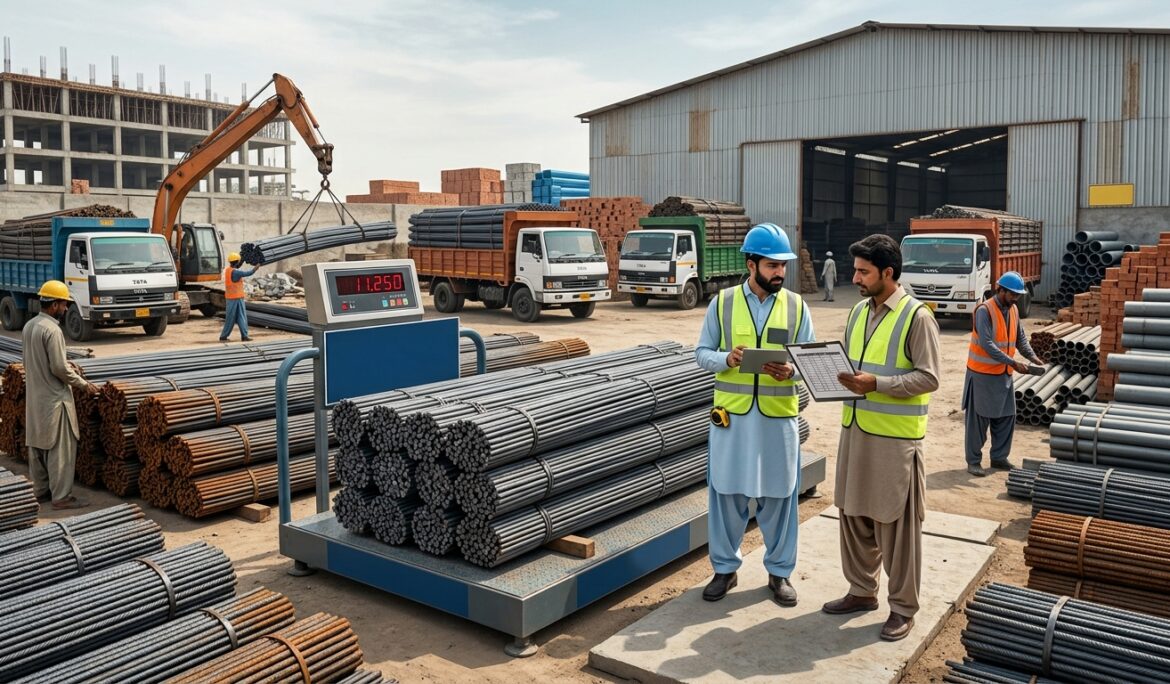
The Saria rate in Pakistan is an important concern for homeowners, builders, contractors, developers, and construction companies. Steel bars, commonly called Saria, are essential for reinforced concrete construction and are used in foundations, columns, beams, slabs, staircases, and other structural elements.
However, the Saria price in Pakistan does not remain fixed. It can change because of raw material costs, international steel prices, currency movements, energy expenses, taxes, transportation costs, local demand, and market conditions.
For anyone planning a construction project, understanding these factors can help with better budgeting and purchasing decisions.
In this guide, we explain the major factors that determine Saria rates in Pakistan, how buyers can compare prices, and what to consider before purchasing steel bars.
What Is Saria?
Saria refers to steel reinforcement bars used inside concrete structures. These steel bars provide tensile strength to reinforced concrete and help structural elements withstand different types of loads.
Saria is commonly used in:
- House foundations
- Columns
- Beams
- Roof slabs
- Staircases
- Retaining walls
- Commercial buildings
- Industrial structures
- Bridges and infrastructure projects
Because Saria is a critical structural material, buyers should consider quality and specifications alongside price.
What Determines the Saria Rate in Pakistan?
Several factors influence the final steel bar price in Pakistan.
1. Raw Material Prices
One of the biggest influences on steel prices is the cost of raw materials used to manufacture reinforcement bars.
Depending on the production process, steel manufacturers may be affected by the prices of:
- Steel scrap
- Billets
- Iron-bearing materials
- Other metallic inputs
When input costs increase, manufacturers generally face higher production costs, which can eventually influence the market price of Saria.
2. International Steel Prices
Pakistan’s steel market is connected to international commodity markets.
Changes in global steel prices can influence the cost of imported raw materials and finished or semi-finished steel products.
Therefore, international supply and demand, commodity prices, and regional market conditions can indirectly affect Saria rates in Pakistan.
3. Pakistani Rupee Exchange Rate
Currency fluctuations are another important factor.
If imported raw materials or machinery become more expensive because of changes in the exchange rate, production and procurement costs can rise.
This means that movements in the Pakistani Rupee against major currencies can have an indirect impact on steel rates in Pakistan.
4. Electricity and Energy Costs
Steel manufacturing is energy-intensive, particularly for melting and re-rolling operations.
Electricity and fuel costs therefore have a direct impact on production economics.
In 2026, Pakistan introduced a new sales-tax collection mechanism for electricity-based steel melters, re-rollers, and composite units, linking tax collection to electricity consumption. This is another example of how energy and taxation policies can affect the operating cost structure of the steel industry.
For buyers, changes in manufacturers’ energy costs can eventually influence the market price of steel bars.
5. Taxes and Government Policies
Taxes, duties, regulations, and other government policies can affect the final price of steel products.
Changes affecting:
- Steel manufacturing
- Imported scrap
- Electricity
- Sales tax
- Customs duties
- Industrial regulations
can change the cost structure for manufacturers and distributors.
For example, the 2026 electricity-linked sales-tax mechanism for steel producers demonstrates how changes in fiscal policy can directly affect the sector.
6. Transportation and Logistics Costs
The price quoted by a steel supplier is not determined only by the manufacturing cost.
Transportation can also influence the final price paid by a buyer.
Factors include:
- Diesel and fuel prices
- Distance from the steel mill
- Loading and unloading
- Freight charges
- Local transportation availability
This is particularly relevant when comparing Saria prices in different cities of Pakistan.
7. Construction Demand
Demand plays a major role in determining market prices.
When construction activity increases, demand for:
- Saria
- Cement
- H Beams
- Angle Iron
- U Beams
- Other structural steel
can increase as well.
Higher demand can put upward pressure on steel prices, while weaker construction activity can reduce demand and create downward pressure.
Pakistan Bureau of Statistics regularly publishes price and economic indicators, including construction-related price data and wholesale price information, which can help buyers understand broader market movements.
8. Steel Production and Market Supply
Prices are also influenced by how much steel is available in the market.
If supply is tight while demand remains strong, prices may increase.
Conversely, when supply is sufficient and demand is weak, suppliers may offer more competitive prices.
This supply-demand relationship is one reason why Saria rates can change from one period to another.
9. Saria Grade and Specifications
Not every steel bar is identical.
The price can depend on:
- Steel grade
- Diameter
- Manufacturing specifications
- Applicable quality standards
- Brand or manufacturer
- Quantity purchased
Buyers should therefore compare like-for-like products rather than comparing two different steel products solely by their per-ton price.
10. Order Quantity
The quantity you purchase can also affect your final quotation.
A contractor purchasing several tons for a commercial project may receive different commercial terms compared with a small buyer purchasing a limited quantity.
For large projects, it is worth requesting a dedicated quotation based on:
- Required tonnage
- Steel grade
- Required diameters
- Delivery location
- Delivery schedule
Why Saria Rates Can Differ Between Cities
A buyer searching for Saria rate in Lahore may see a different quotation from a buyer in Karachi, Faisalabad, Islamabad, or another location.
This does not necessarily mean that one supplier is overcharging.
Regional differences can result from:
- Freight costs
- Local demand
- Supplier margins
- Availability
- Distribution costs
- Order quantity
- Delivery requirements
Therefore, buyers should compare the complete delivered quotation, not just the advertised rate.
Saria Rate Per Ton vs Per KG
Steel is commonly traded by weight.
Buyers may therefore encounter prices quoted as:
- Saria price per kg
- Saria price per ton
- Steel bar price per ton
- Steel rate per kg
Since one metric ton equals 1,000 kg, buyers should make sure they understand the unit being quoted.
For example, if a supplier quotes a price per ton, the buyer should also confirm:
- Whether taxes are included
- Whether transportation is included
- Whether loading charges apply
- Whether the quotation is based on actual weight
This helps avoid misunderstandings when comparing quotations.
How to Get the Best Saria Price
Getting the lowest advertised price is not always the best purchasing strategy.
Instead, follow these steps.
1. Check the Latest Market Rate
Steel prices can change, so request an updated quotation before placing your order.
2. Compare Multiple Suppliers
Compare prices from reliable suppliers, but make sure you are comparing the same grade, specifications, quantity, and delivery terms.
3. Verify Steel Quality
Ask about product specifications and applicable quality standards.
4. Consider Bulk Purchasing
For larger construction projects, ask suppliers about bulk-order pricing and scheduled deliveries.
5. Confirm Delivery Costs
A low product price may not remain the cheapest option after adding transportation and other charges.
6. Buy According to Project Requirements
Do not purchase significantly more steel than your project requires simply because the current market price appears attractive.
Should You Buy Saria When Prices Fall?
A temporary decrease in the Saria rate may appear attractive, but timing a large steel purchase purely around short-term price movements can be difficult.
For major projects, purchasing decisions should consider:
- Construction schedule
- Storage capacity
- Cash flow
- Expected material requirements
- Supplier reliability
- Current market conditions
If steel is needed within the next construction phase, securing the required quantity from a dependable supplier may be more important than attempting to predict the exact bottom of the market.
How to Monitor Steel Rates in Pakistan
Buyers should monitor both market quotations and broader economic indicators.
Pakistan Bureau of Statistics publishes regular price statistics, including monthly Wholesale Price Index information and construction-related price data.
The bureau also publishes weekly and monthly economic updates, providing useful context for overall price movements.
For an actual purchase, however, buyers should request a current supplier quotation, because published economic indicators do not necessarily represent the exact price offered for a particular steel grade, quantity, brand, or delivery location.
Why Choose WS Steel Traders for Saria?
WS Steel Traders has been serving the steel and construction industry since 1985, providing quality steel products for residential, commercial, industrial, and infrastructure projects.
Our product range includes:
- Steel Bars (Saria)
- H Beams (TR Girders)
- Angle Iron
- U Beams
- T Iron
- Z Iron
We focus on providing:
- Consistent product quality
- Competitive market quotations
- Bulk steel supply
- Reliable delivery
- Accurate product specifications
- Support for builders, contractors, and industrial buyers
Whether you are constructing a house or managing a large commercial project, choosing a dependable steel supplier can make procurement easier and more predictable.
Frequently Asked Questions About Saria Rates
What determines the Saria rate in Pakistan?
Saria rates are influenced by raw material prices, international steel markets, currency exchange rates, energy costs, taxes, transportation, supply and demand, product specifications, and order quantity.
Why does Saria price change frequently?
Steel prices can change as production costs, raw material prices, demand, supply, energy costs, taxes, and market conditions change.
Is Saria sold by kg or ton?
Both units are commonly used. Buyers should confirm whether a quotation is based on kilograms or metric tons and whether taxes and transportation are included.
Does the Saria rate differ between Lahore and Karachi?
Yes. Regional rates can differ because of transportation, availability, local demand, distribution costs, and supplier-specific pricing.
How can I get the latest Saria price?
The best approach is to request a current quotation from a reliable steel supplier based on your required quantity, grade, specifications, and delivery location.
Conclusion
The Saria rate in Pakistan is determined by much more than a single market factor. Raw material costs, international steel prices, exchange rates, energy expenses, taxes, transportation, construction demand, supply conditions, and product specifications can all influence the final price.
For homeowners, builders, contractors, and developers, the smartest approach is to compare current quotations from reliable suppliers while considering quality, specifications, delivery, and total purchase cost.
If you are planning a construction project, contact WS Steel Traders for your steel requirements and request the latest quotation for Steel Bars (Saria) and other structural steel products.