Introduction
Steel is the backbone of Pakistan’s construction and industrial development. From housing projects to large-scale infrastructure, steel demand continues to grow in 2026. However, prices remain highly dynamic due to global economic shifts, currency fluctuations, and local demand pressure.
Understanding steel price trends in Pakistan 2026 is essential for builders, contractors, and steel buyers to plan budgets effectively and reduce cost risks.
Overview of Steel Prices in Pakistan 2026
In 2026, steel rates in Pakistan have shown moderate stability with periodic fluctuations. Current market data indicates:
- Steel bar (Saria) prices: PKR 225 – 260 per kg
- Grade 40 steel: lower cost segment for small projects
- Grade 60 steel: widely used for high-strength construction
- Brand-based variation due to quality and mill differences
Recent market reports show prices stabilizing around PKR 228–232 per kg in base-grade steel, depending on supply conditions and city-wise demand.
Key Steel Products Driving Demand in 2026
The following products dominate Pakistan’s construction sector:
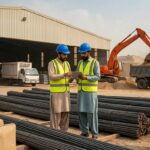
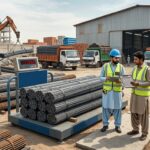
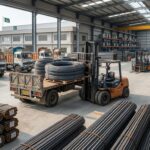
- Steel Bars (Rebars)
- H Beams
- Angle Iron
- Z Iron
- T Iron
- U Beams
These materials are widely used in:
- Residential housing
- Commercial buildings
- Bridges and highways
- Industrial fabrication projects
Major Factors Affecting Steel Price Trends
- Global Raw Material Costs
Iron ore, scrap steel, and coal prices directly impact local steel production costs.
- Currency Exchange Rate (PKR vs USD)
Since Pakistan imports raw materials, a weaker rupee increases production costs.
- Construction Sector Demand
Large infrastructure projects significantly increase steel consumption.
- Fuel & Energy Prices
Electricity and fuel costs heavily affect steel mill operations.
- Supply Chain & Transportation Costs
City-to-city price differences are influenced by logistics and freight charges.
City-Wise Steel Price Variation in Pakistan
- Karachi: Slightly higher due to port logistics
- Lahore & Faisalabad: Competitive mid-range pricing
- Islamabad: Premium pricing due to demand and transport
- Multan & Gujranwala: Lower comparative rates
Steel Price Trend Forecast 2026
Industry analysis suggests:
- Short-term fluctuations will continue
- No extreme price crash expected
- Gradual increase of 5–10% annually
- Demand will remain strong due to infrastructure expansion
Conclusion
Steel prices in Pakistan 2026 are influenced by both global and local economic conditions. For construction companies, staying updated on price trends is essential for cost control and project planning.
WS Steel Traders continues to supply high-quality structural steel at reliable pricing for industrial and construction needs across Pakistan.